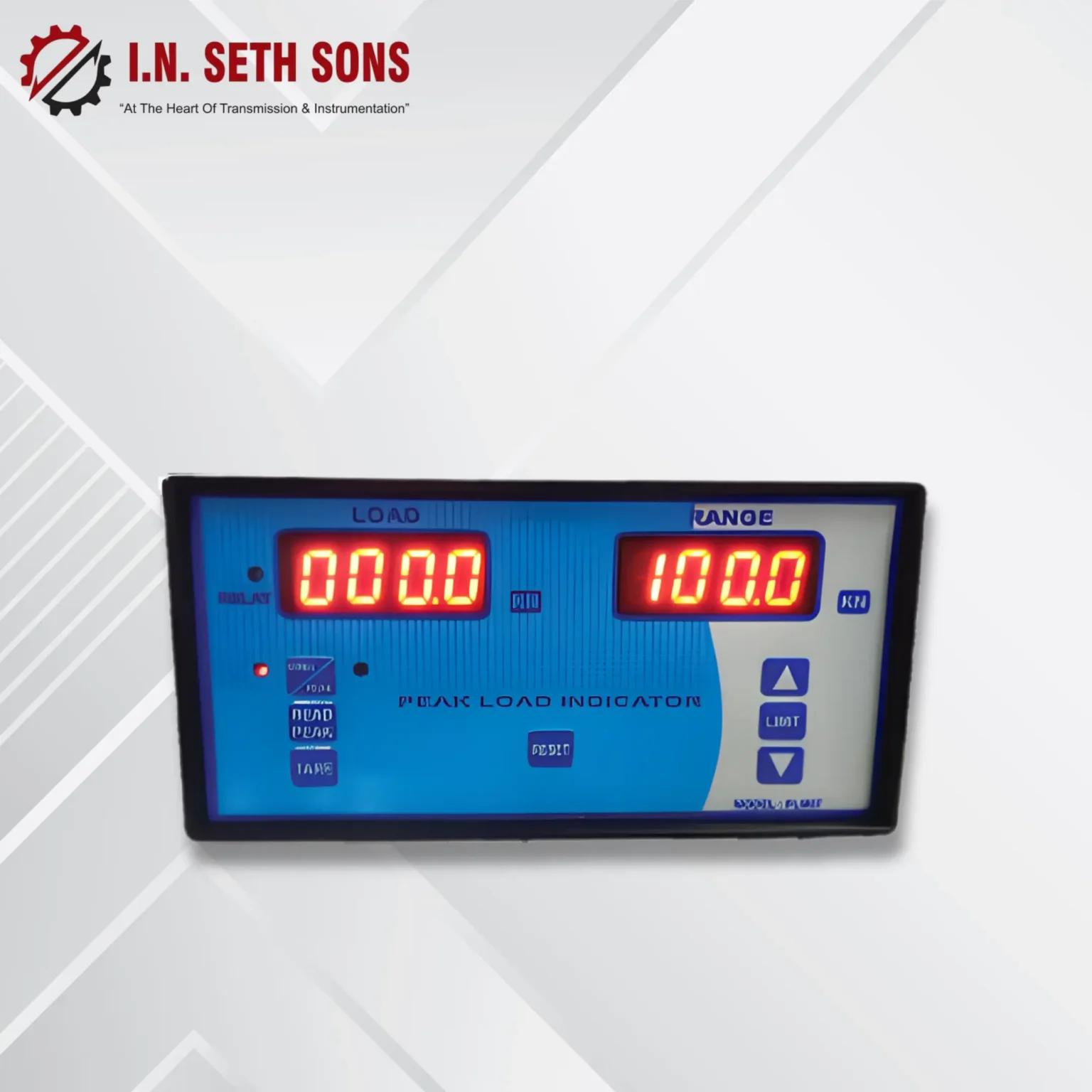
Cube Testing Controller by I.N. Seth Sons: Ensuring Accuracy and Reliability in Concrete Testing
Recent Posts
- Trusted Industrial Motor Supplier – I.N. Seth Sons
- Remi Motors & Drive Solutions: Reliable Power Transmission for Industrial Applications
- Havells Electric Motors: Reliable Motor Solutions for Industrial and Commercial Applications
- Marathon Electric Motors: Reliable Performance for Industrial Applications
- Digital UTM Controller: Features, Applications, and Benefits in Material Testing
Categories
Categories
Recent Posts
Cube Testing Controller by I.N. Seth Sons: Ensuring Accuracy and Reliability in Concrete Testing
Introduction
Quality testing plays a role in the construction industry. Every building, bridge, road and infrastructure project depends on the strength and durability of concrete.To make sure concrete meets the required quality standards, accurate testing equipment is necessary.One of the important instruments used in construction laboratories is the Cube Testing Controller.A Cube Testing Controller is designed to operate and monitor concrete cube compression testing machines.It helps measure the strength of concrete specimens by controlling the testing process and displaying important test results.Accurate testing helps engineers, contractors and quality control professionals make decisions about construction materials.
I.N. Seth Sons is associated with engineering equipment solutions.Choosing testing equipment is important, for laboratories and construction companies that require reliable concrete strength measurements.In this blog we will explore the features, working principles, applications, benefits and selection factors of a Cube Testing Controller.
What Is a Cube Testing Controller?
A Cube Testing Controller is an electronic control system that works with a compression testing machine. The Cube Testing Controller manages the loading process during cube testing and records the load that is applied.
Concrete cube testing is commonly used to find the strength of concrete. Sized concrete specimens are made, cured and then put inside a compression testing machine. The machine then applies a controlled load until the specimen fails. The Cube Testing Controller helps operators watch the force that is applied and get test readings. Depending on the model the Cube Testing Controller may show a display, a load indicator do automatic calculations and record data. The Cube Testing Controller is widely used in construction material testing laboratories, civil engineering institutions and quality control departments. I have seen this in labs.
How Does a Cube Testing Controller Work?
The working process of a Cube Testing Controller involves important steps.
1. Specimen Preparation
Concrete is poured into testing moulds and allowed to set. The specimens are then cured under controlled conditions, for the required testing period, 7 or 28 days.
2. Placing the Concrete Cube
The cured concrete cube is positioned correctly between the compression testing machines loading platens.
3. Setting Up the Controller
The operator checks the controller settings. Ensures that the testing machine and load measurement system are functioning correctly.
4. Applying Compression Load
The compression testing machine applies force gradually to the specimen. The controller helps monitor the applied load throughout the testing process.
5. Recording Test Results
When the concrete cube reaches its failure point the maximum load is recorded. Compressive strength can then be calculated using the load and specimens loaded surface area.
Key Features of a Quality Cube Testing Controller
A reliable Cube Testing Controller should provide features that help measurements and make operation convenient.
1. Digital Display
Digital Display: A digital display lets operators see load readings clearly while testing. It also makes it easier to read and record test results.
2. Accurate Load Measurement
Accurate Load Measurement: Accurate measurement is essential for finding the strength of concrete specimens. A suitable Cube Testing Controller should work with a calibrated load measurement system.
3. User-Friendly Operation
User-Friendly Operation: Simple controls and an easy‑to‑understand interface help laboratory technicians use the equipment efficiently.
4. Peak Load Recording
Peak Load Recording: Peak load recording helps identify the force that a concrete specimen can take before it fails.
5. Automatic Calculation
Automatic Calculation: Depending on the model the Cube Testing Controller may offer compressive strength calculations, which reduces the need, for manual calculations.
6. Performance
Reliable Performance: A quality Cube Testing Controller should give consistent readings when used with a compatible testing machine and properly calibrated sensors.
7. Data Recording Facilities
Data Recording Facilities: Advanced Cube Testing Controllers may provide storage or reporting options to help laboratories keep testing records.
Applications of Cube Testing Controllers
Cube Testing Controllers are used in industries and institutions where concrete strength testing is needed.
1. Construction Companies
Construction companies use cube testing equipment to make sure that concrete meets the project specifications and quality standards.
2. Civil Engineering Laboratories
Civil engineering laboratories carry out concrete strength tests for research, inspection and quality assurance.
3. Infrastructure Projects
Roads, bridges, tunnels and dams are examples of infrastructure projects that need concrete strength evaluation. Testing controllers help support laboratory testing, for these projects.
4. Government Testing Departments
Government-approved labs and institutional testing centers use compression testing equipment to check construction materials. They follow approved testing standards.
5. Educational Institutions
Engineering colleges and technical institutes use cube testing equipment to teach students how to perform concrete strength tests.
6. Ready-Mix Concrete Plants
Ready-mix concrete plants use testing controllers to check the strength and consistency of their products before delivery.
Benefits of Using a Cube Testing Controller
Choosing a Cube Testing Controller gives many advantages for labs that test construction materials.
1. Improved Testing Accuracy
When a Cube Testing Controller is calibrated correctly the load measurement system gives readings while testing concrete compression.
2. Better Testing Efficiency
Digital monitoring and automatic functions in some Cube Testing Controller models make testing procedures easier to carry out.
3. Easy Result Monitoring
Clear load readings let technicians watch the testing process without needing to observe all the time.
4. Reduced Calculation Errors
Cube Testing Controllers that calculate automatically lessen calculation work and reduce errors that come from doing calculations by hand.
5. Consistent Quality Control
Doing concrete testing lets construction professionals check material quality and spot possible problems.
6. Better Record Management
Cube Testing Controller models that store data help laboratories keep test records neat and ready, for use.
7. Professional Laboratory Operations
Reliable testing equipment supports quality control and makes laboratory work more efficient.

How to Choose the Best Cube Testing Controller?
Choosing the right Cube Testing Controller is key to getting test results. Before buying think about these points.
1. Machine Compatibility
Check that the controller works with your concrete compression testing machine, load cell and measurement system.
2. Measurement Accuracy
Pick equipment that gives load readings and can be calibrated to meet the required standards.
3. Display and Interface
Select a controller that has a digital display and easy-to-use controls.
4. Testing Capacity
Look at the load your compression testing machine can handle and make sure the controller can measure that range.
5. Data Management
If your lab runs tests choose a model that stores data, can create reports or connects to a computer.
6. Build Quality
A controller, with construction and reliable electronics will last through regular lab use.
7. Technical Support
Go with a supplier that offers installation help calibration support and good after‑sales service.
Importance of Calibration and Maintenance
Even very high-tech testing tools need to be checked and adjusted on a basis. Taking care of the Cube Testing Controller makes sure it keeps giving results.
Here are some key things to do for maintenance:
- Adjust the way the system measures weight at the times that are suggested.
- Look at the parts and wires often.
- Make sure the controller stays clean and is not exposed to dust or wetness.
- Check the part that measures weight for any problems or strange numbers.
- Make sure the testing machine works without any issues.
- Always use the directions that the maker gave for how to use it.
- Keep a record of when it was checked and fixed.
Calibration should be done by people who know what they are doing and use the tools that can be traced back, to official standards.
Why Choose I.N. Seth Sons for Testing Equipment?
Selecting the right equipment supplier is an important part of establishing a reliable testing laboratory. I.N. Seth Sons can be considered when exploring engineering and industrial equipment solutions.
Before purchasing a Cube Testing Controller, customers should evaluate product specifications, compatibility, measurement capabilities, and available technical support.
Important factors to consider include:
-
Equipment suitability for laboratory requirements.
-
Compatibility with existing compression testing machines.
-
Reliable measurement and display facilities.
-
Technical guidance for installation and operation.
-
Calibration and maintenance support.
-
Competitive pricing and customer assistance.
Choosing suitable testing equipment helps laboratories maintain consistent testing procedures and support construction quality management.
Future of Concrete Testing Technology
The construction industry is increasingly adopting digital technologies to improve quality control and testing efficiency. Modern concrete testing systems are evolving with digital displays, automatic calculations, electronic data recording, and computer-based reporting. Advanced testing controllers can help laboratories organise test results, reduce manual documentation, and improve the monitoring process. As construction standards and quality expectations continue to develop, accurate testing instruments will remain essential for civil engineering laboratories and infrastructure projects.
Conclusion
A Cube Testing Controller is a part of modern concrete testing equipment. It helps keep track of the loads that are applied records the force and supports the calculation of concrete compressive strength. In construction companies and ready-mix concrete plants, well as in engineering colleges and testing laboratories dependable cube testing equipment is essential to ensure consistent construction quality. Picking the controller means thinking carefully about how well it works with the machine, how accurate the measurements are the testing capacity, how easy it is to calibrate and the level of technical support available. I.N. Seth Sons can be a choice when looking for engineering testing equipment suited for laboratory use. Choosing testing tools and sticking to proper calibration methods can boost lab efficiency and help improve quality control, in construction projects.