Digital UTM Controller: Features, Applications, and Benefits in Material Testing
Recent Posts
- Worm Gearbox Supplier by I.N. Seth Sons
- Trusted Industrial Motor Supplier – I.N. Seth Sons
- Remi Motors & Drive Solutions: Reliable Power Transmission for Industrial Applications
- Havells Electric Motors: Reliable Motor Solutions for Industrial and Commercial Applications
- Marathon Electric Motors: Reliable Performance for Industrial Applications
Categories
Categories
Recent Posts
Trusted Industrial Motor Supplier – I.N. Seth Sons
Digital UTM Controller: Features, Applications, and Benefits in Material Testing
Introduction
Today I see many industrial and engineering fields rely on material testing to keep products safe, reliable and high quality. Sectors like construction, automotive, manufacturing and metal processing need test gear to check how strong and durable different materials are. A key piece of equipment, in test labs is the Digital UTM Controller.
I know a Digital UTM Controller is a digital control unit built to run and watch over Universal Testing Machines. It lets technicians manage test actions record the loads they apply keep track of results and make material tests more accurate. Whether I test metals, plastics, rubber, concrete or any other engineering parts a digital controller makes lab work smoother and faster. When I look at brands I find I.N. Seth Sons is a name considering for industrial and engineering test gear. Picking the right Digital UTM Controller can help labs run tests efficiently and keep quality steady.
What Is a Digital UTM Controller?
A Digital UTM Controller is a device that controls and monitors a Universal Testing Machine. A Universal Testing Machine is designed to evaluate the properties of materials by applying controlled tensile, compression or bending forces.
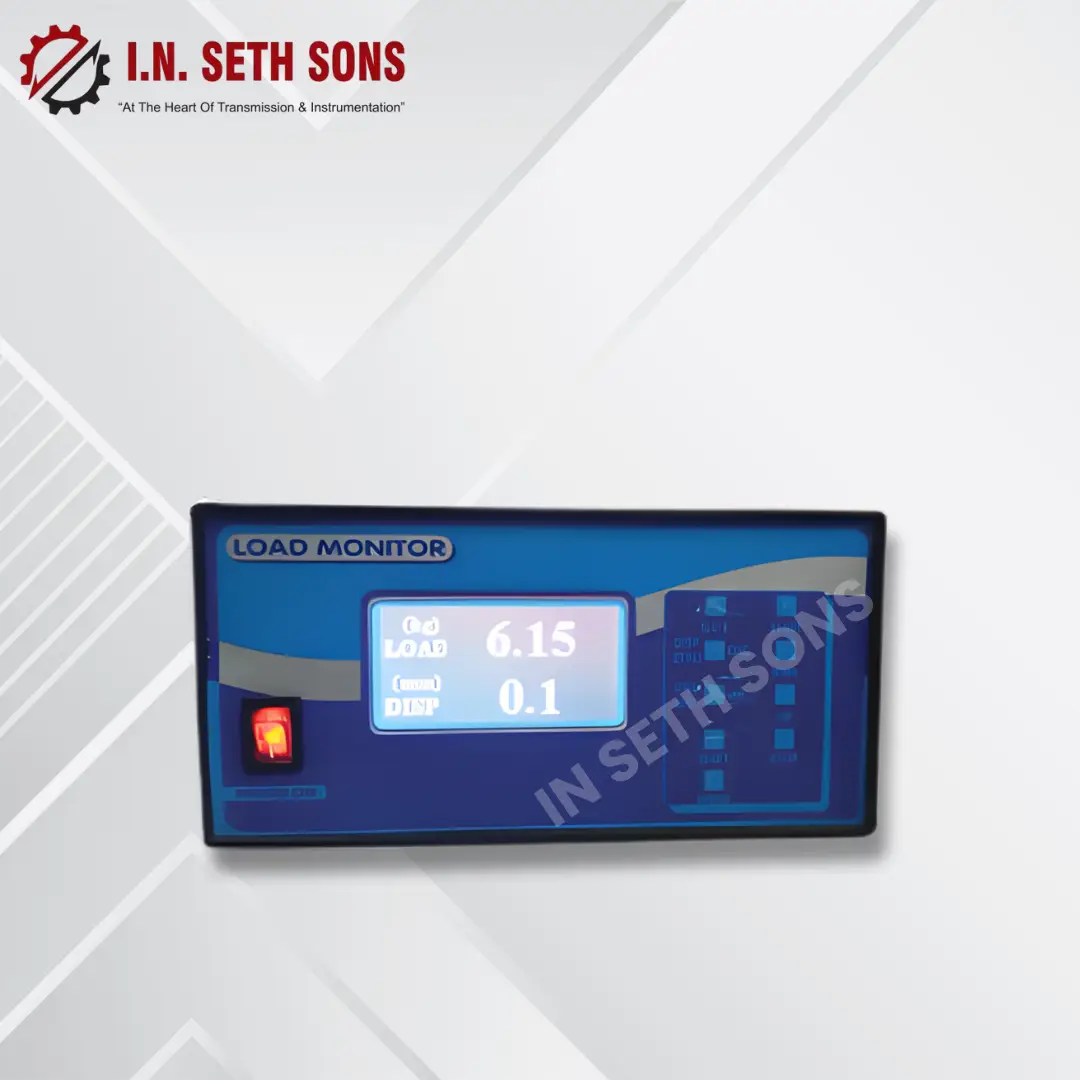
The Digital UTM Controller acts as the operating and monitoring interface, between the testing machine and the operator. The Digital UTM Controller receives measurement signals from sensors. Displays important testing information.
Depending on the model a Digital UTM Controller may provide:
- Digital load measurement.
- Real‑time test monitoring.
- Peak load recording.
- Tensile and compression testing control.
- Automatic calculations.
- Digital result display.
- Data storage and reporting facilities.
These features help testing laboratories perform material evaluations conveniently and systematically.
How Does a Digital UTM Controller Work?
A Digital UTM Controller is used with a Universal Testing Machine to measure how materials respond when force is applied.
The testing process usually follows these steps:
1. Specimen Preparation
The material sample is prepared in accordance with the testing standard. The dimensions and condition of the sample are checked before testing begins.
2. Specimen Installation
The sample is placed securely between the machine’s grips, fixtures or compression platens. It must be held firmly to ensure results.
3. Controller Setup
The operator chooses the test parameters, including the measurement range and other settings based on the material being tested and the testing method.
4. Applying the Load
The Universal Testing Machine applies force to the sample. The Digital UTM Controller receives data from the load sensor. Shows the force being applied in real time.
5. Monitoring Test Results
While the test is running the controller tracks values such as applied load. If the system supports it displacement or extension is also monitored.
6. Recording Results
Once the sample breaks or the test reaches its endpoint the results are. Can be analyzed.
Depending on the controller some functions, like calculations and report generation can be done automatically.
Important Features of a Digital UTM Controller
Choosing a quality Digital UTM Controller means you have to know what it can do.
1. Digital Load Display
A Digital UTM Controller shows a digital screen with the load on the sample. This makes it easier for laboratory technicians to see what is happening.
2. High Measurement Accuracy
Accurate numbers are vital, for judging material strength. A Digital UTM Controller must work with the right load cells that are calibrated well.
3. Peak Load Measurement
The Digital UTM Controller records the force the specimen feels. Knowing that peak helps you spot the limits of the material.
4. User‑Friendly Interface
The Digital UTM Controller should have buttons and a clear menu. A technician can then run tests without confusion.
5. Multiple Testing Modes
Depending on the model the Digital UTM Controller can do tensile, compression and bending or flexural tests.
6. Automatic Calculations
The best Digital UTM Controllers can compute material properties automatically from the load and size data.
7. Data. Connectivity
Many Digital UTM Controllers can save results link to a computer and create reports.
8. Reliable Performance
When a Digital UTM Controller is built well and kept in shape it offers steady monitoring and smooth testing every time.
Applications of Digital UTM Controllers
Digital UTM Controllers are used in industries where material strength and performance evaluation are important.
1. Construction Industry
Construction laboratories use Universal Testing Machines to evaluate materials used in infrastructure and building projects. Testing helps assess material properties and compliance with specifications.
2. Automobile Industry
Automotive manufacturers test components and materials to evaluate their strength, flexibility and durability.
3. Metal Manufacturing
Metal testing laboratories use UTMs to examine tensile strength, elongation and other mechanical properties of metal specimens.
4. Plastic Industry
Plastic manufacturers use material testing equipment to evaluate the tensile and compression properties of products.
5. Rubber Industry
Rubber testing applications include evaluating tensile strength, elongation and other mechanical characteristics.
6. Educational Institutions
Engineering colleges and technical institutes use Universal Testing Machines for experiments and material science research.
7. Research and Development Laboratories
Research laboratories use testing systems to examine material behaviour and develop improved engineering products.
Benefits of Using a Digital UTM Controller
A Digital UTM Controller brings benefits to modern material testing laboratories.
1. Improved Testing Accuracy
Digital measurement systems help technicians keep track of loads. When these systems are properly calibrated they provide consistent readings every time.
2. Easy Operation
Digital displays and user-friendly controls make it simpler for operators to run tests. The interface is straightforward and clear so even new users can get started quickly.
3. Faster Testing Procedures
Some digital UTM controllers come with monitoring and calculation features. These reduce the need for input and help speed up the entire testing process.
4. Better Result Monitoring
Real-time load measurements allow operators to watch how a material behaves during testing. This gives a picture of performance under stress.
5. Reduced Manual Errors
Digital readings eliminate the need to write down values by hand. Automatic calculations also lower the risk of errors in data handling.
6. Efficient Data Management
Controllers with built-in data storage and reporting tools help laboratories keep records organized. Data stays secure. Is easy to retrieve when needed.
7. Versatile Testing Applications
Depending on the machine setup digital controllers can be used for a range of material tests. They support different testing needs, across industries.

How to Choose the Best Digital UTM Controller?
Selecting the controller is important for ensuring compatibility and reliable testing performance.
Consider the following factors before purchasing:
1. Machine Compatibility
Check whether the controller is compatible with your existing Universal Testing Machine, load cell and displacement measurement system.
2. Load Capacity
Select a controller that supports the measurement range required by your testing machine and applications.
3. Measurement Accuracy
Evaluate the controllers measurement resolution, accuracy specifications and calibration requirements.
4. Testing Modes
Identify whether you require tensile, compression, bending or multiple testing modes.
5. Display and Controls
Choose a controller, with a digital display and convenient operating features.
6. Software and Connectivity
If your laboratory requires reporting consider models offering computer connectivity and data management functions.
7. Technical Support
Look for a supplier that can provide installation guidance, operating instructions, calibration assistance and after‑sales support.
Importance of Calibration and Maintenance
Regular maintenance and calibration are essential for maintaining the reliability of a Digital UTM Controller.
Some recommended practices include:
- Calibrate the load measurement system at recommended intervals.
- Inspect connections and cables.
- Check load cells and sensors, for damage.
- Keep the Digital UTM Controller clean and protected from dust and moisture.
- Verify the accuracy of displayed measurements.
- Follow the manufacturers operating instructions.
- Maintain records of calibration and servicing.
Proper maintenance can help improve equipment reliability reduce interruptions and support accurate testing procedures.
Why Choose I.N. Seth Sons for Testing Equipment?
Selecting an equipment supplier is important for laboratories that need dependable material testing solutions.
I.N. Seth Sons can be considered when looking for engineering and industrial testing equipment. Before buying a Digital UTM Controller customers should check its specifications make sure it fits with existing machines and understand its measurement abilities. Technical support is also important.
Key things to think about include:
- Equipment that matches laboratory needs.
- Compatibility with testing machines.
- Reliable digital measurement features.
- Easy-, to-use controls and operation.
- Help with installation and technical support.
- Calibration and maintenance services.
- Fair. Good customer service.
Choosing the equipment based on real lab needs can make testing more efficient and provide better results over time.
Future of Digital UTM Controller Technology
Material testing technology keeps changing as automation, digital monitoring and computer‑based reporting systems develop. Modern Digital UTM Controllers are increasingly focused on measurement abilities, automated test sequences, real‑time monitoring and efficient data handling. Advanced systems can help laboratories cut down on paperwork and improve the organization of testing results.
Because industries need product quality and more reliable material evaluation digital testing controllers will continue to play an important role, in engineering laboratories.
Conclusion
A Digital UTM Controller is a part of modern Universal Testing Machines. It lets operators control test procedures watch loads write down peak values and check the mechanical properties of many materials.
From building construction and car manufacturing to metal work, plastic work and research labs digital controllers help run efficient material tests.
When picking a Digital UTM Controller businesses must look at machine compatibility how load it can handle, how precise the measurements are, the available test modes, calibration options and the level of technical support.
I.N. Seth Sons is an option when looking for engineering test equipment, for factories and laboratories.
Buying the test technology and keeping up with regular maintenance will help labs get reliable results and keep quality high.